


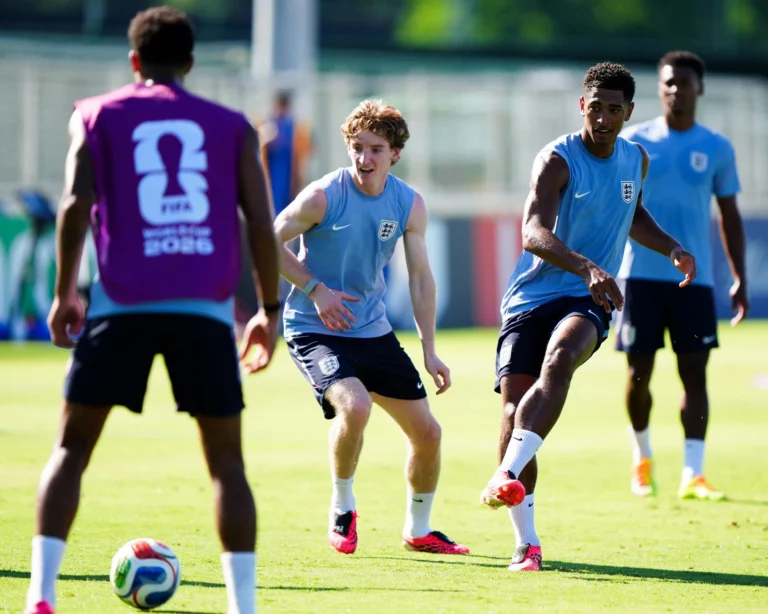
The excitement surrounding the World Cup is palpable, with the opening matches of this expansive summer tournament proving to be unexpectedly lively and engaging.
This upbeat atmosphere comes as a surprise, considering the tournament’s grim buildup. Football tends to create such scenarios, serving as a captivating distraction amidst the chaos of mega-brands and overzealous officials. Even when the sport is stretched thin or linked to oppressive regimes, the thrill of the game remains intact. Football is, after all, an indestructible entity.
Joy prevails, accompanied by the emotional tears of fans from Cape Verde, the vibrant festivities of the host nation, and supporters simply thrilled to be part of the event. In the United States, the World Cup has integrated seamlessly into the leisure landscape, resembling a marketing campaign featuring David Beckham promoting various products.
The matches themselves have been dynamic and free-flowing, devoid of the awkwardness that often plagues tournaments, where players seem out of sync and the atmosphere is thick with tension. Perhaps this enjoyable experience is temporary, but for now, it is worth savoring.
As the tournament progresses, England’s presence is becoming evident. With nearly a week gone and the group stages underway, fans clad in Three Lions shirts can be seen meandering through the sun-drenched streets of Dallas, anticipating their team’s arrival. England is set to play Croatia on Wednesday at the grand Dallas Stadium, a modern architectural marvel located in the southern plains of the city.
This Group L opener marks England’s first significant match in two years, a chance to redefine their football identity following a turbulent period. Fans will eagerly seek answers to two crucial questions: Are they a formidable team? And what will the overall experience feel like? Will the supporters display the passion expected of them?
The duality of England football often creates a backdrop of angst surrounding their performances. Each tournament becomes a referendum on national identity, as seen during Euro 2024, which was filled with disappointment despite being the most successful overseas men’s tournament to date.
Interest in the England football team tends to wane between tournaments, only to surge dramatically once the matches commence. A notable change in texture has emerged; younger fans no longer share the same intense yearning for victory. The women’s team has celebrated two tournament wins, while club football and celebrity culture have shifted the focus of support.
Significantly, the atmosphere surrounding England fandom has transformed into a semi-ironic celebration, resembling a festive outing to the pub rather than a deep-seated nationalistic fervor. While the passion for the team remains, it has evolved, with more radical expressions emerging on the fringes.
Recently, a troubling online phenomenon arose during England’s pre-World Cup friendlies, which may resurface as the tournament unfolds. Following a 1-0 victory over New Zealand, a wave of blatantly racist comments emerged on social media, criticizing players for their perceived lack of enthusiasm while singing the national anthem. Thomas Tuchel, asked about this in Kansas City, dismissed the issue.
This sentiment now acts as a divisive tool during a World Cup that emphasizes the fluidity of national identities, illustrated by players of mixed heritage representing their respective countries, such as the Swedish-Tunisian scoring for Sweden against Tunisia.
The evolving nature of these identities does not signify a loss of meaning or a weakening of the World Cup’s integrity. Rather, it highlights the complex narratives surrounding nations and their histories.
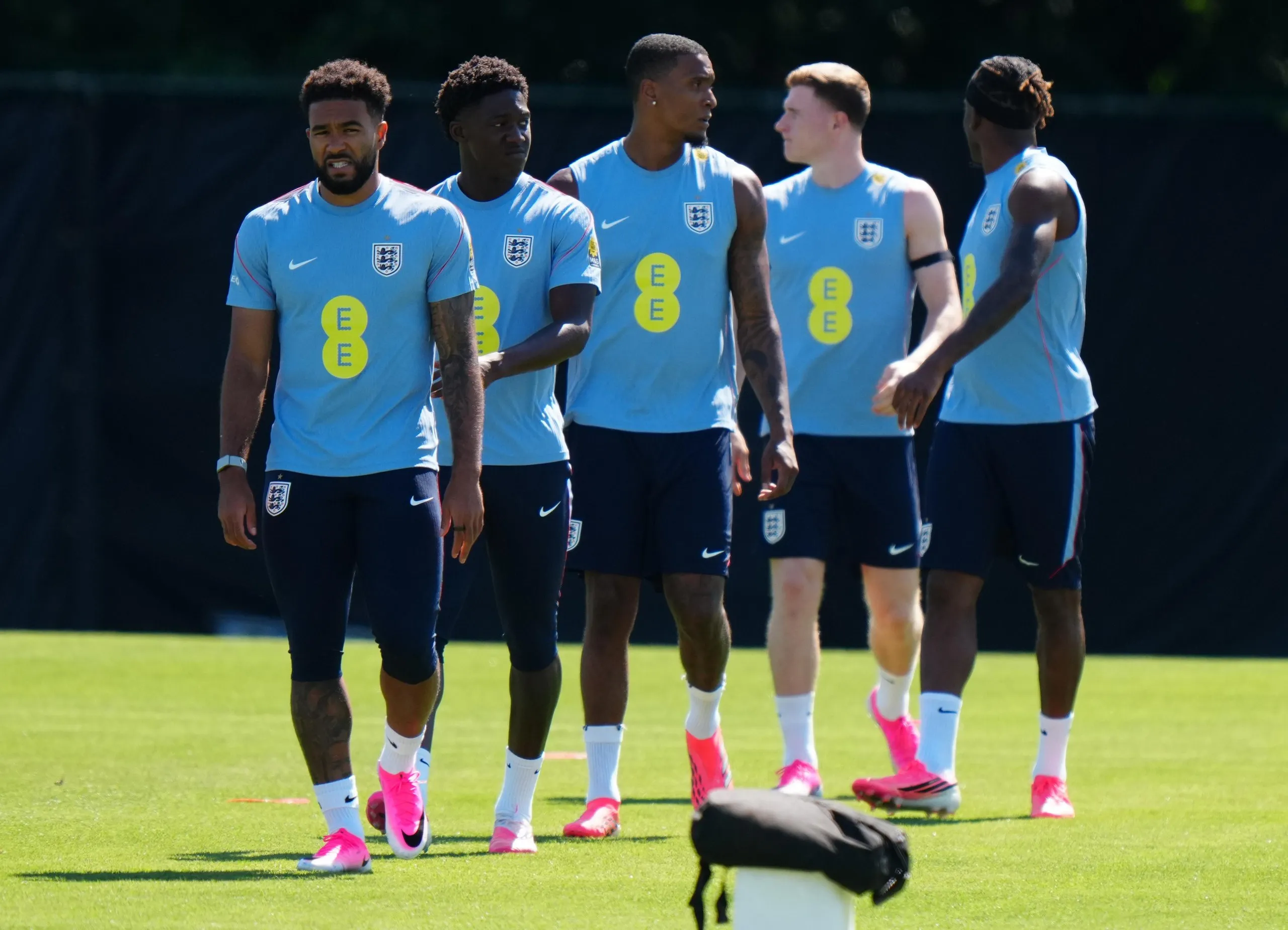
England’s squad is remarkable, reflecting the nation’s diverse history. Of the 26 players, 20 had the option to represent another country under FIFA’s heritage regulations. The squad includes eight players with Caribbean roots, ten with African heritage, four Irish, and three Scottish. Only six players, a record low, are exclusively English. Interpreting this as a betrayal or exploitation of migrants is a narrow view; it instead illustrates the multifaceted nature of England’s identity.
Interestingly, this World Cup features 48 nations. Throughout its imperial history, England or Britain has invaded, occupied, or engaged militarily with 44 of these nations, though this broad definition must be acknowledged. The exceptions are Sweden, Uzbekistan, and Côte d’Ivoire, who may want to remain vigilant.
Belgium also showcases its colonial legacy, with five players of Congolese descent reflecting the violent occupation of Congo. Similarly, Curaçao’s rise is rooted in its Dutch dual-heritage diaspora, a consequence of historical trade and colonial ties. The World Cup is serving as an educational platform, revealing the intricate connections that shaped modern nations.
Consequently, the debate over who sings the anthem before matches appears trivial. Moreover, singing the anthem has not necessarily correlated with success, as evidenced by past defeats even when the anthem was belted out passionately.
On the brighter side, England’s current squad presents a lighter, more versatile team. Gareth Southgate’s fixation on traditional Englishness may have become restrictive, as indicated by his recent insistence on not wanting to be the focal point, which came off as passive-aggressive.
Now, with Tuchel at the helm, England embraces a pragmatic approach that aligns more closely with this generation of players. Despite the hype surrounding the Premier League, England is ranked between fifth and eighth favorites to secure the World Cup title, trailing behind France, Spain, Argentina, and Portugal, while being on par with the Netherlands, Germany, Brazil, Morocco, and Belgium.
The team boasts four standout players: Harry Kane, Declan Rice, Reece James, and Jude Bellingham, alongside a dependable goalkeeper. However, the midfield lacks the intricate possession play crucial for winning tightly contested knockout matches. A semi-final appearance would be a commendable achievement, while a quarter-final finish is expected, although this could involve overcoming challenges in Mexico City and Miami.
A significant advantage lies in the fragmented nature of play, which may complement Tuchel’s tactical style, including an emphasis on set pieces and in-game adjustments. The synergy between Kane and Bellingham will be pivotal, especially in terms of Bellingham’s willingness to make off-the-ball runs and create space for Kane.
Ultimately, the notion of ‘bringing it home’ is misleading, as there was never anything to return to. The team embodies the essence of the country, albeit in a limited sense. Expectations are tempered, suggesting that this time, England might experience a straightforward tournament, focused on the present rather than past glories, and rise or fall based solely on their current performance.