


Even the Nazis attempted to soften their image. Before the 1936 Berlin Olympics, the Third Reich was acutely aware of how foreign visitors might perceive its regime, leading to the removal of overtly antisemitic signs and the suspension of strict anti-homosexuality laws. However, the upcoming 2026 men’s World Cup is set to unfold in a nation that shows little regard for international opinion. Under Donald Trump, the United States presents a stark contrast to previous hosts, welcoming the world’s discomfort with its harsh realities.
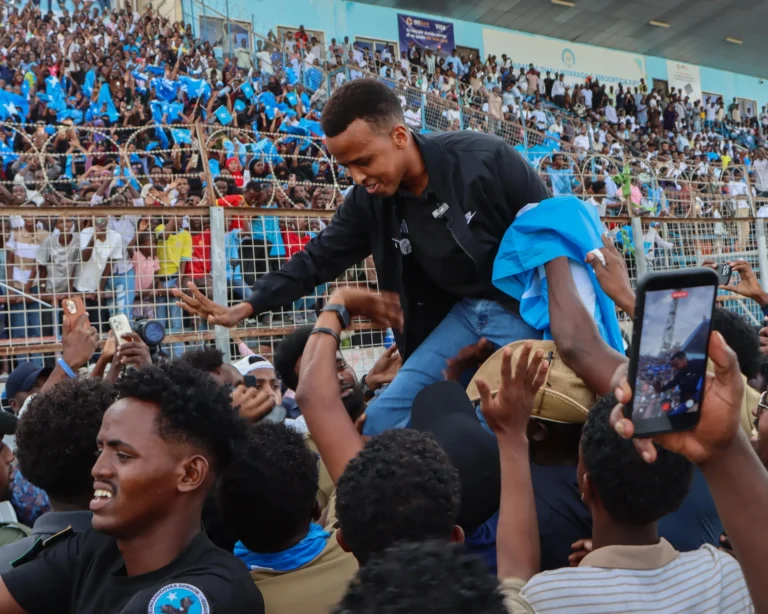
The recent decision to deny entry to Omar Abdulkadir Artan just days before the tournament underscores this point. Artan hails from Somalia, a country Trump has disparaged as home to “We want to make sure we are not going to allow a soccer tournament to be the opportunity for terrorists to potentially get in the country,” and “Freedom of the press is very important to Fifa,” Andrew Giuliani, leading the White House World Cup task force, asserted, “is not a meaningful growth driver”
The sheer audacity of this situation is striking, as it rallies global sympathy for a referee, a position not typically associated with such emotions. Yet, this incident is merely one example of the World Cup’s backdrop of cruelty. For instance, the vice-captain of Iraq faced seven hours of detention upon arrival, while 13 members of the Iranian delegation are still awaiting visas, their fan tickets revoked. Reports indicate that 11 of the 48 participating nations, all from the global south, are experiencing travel restrictions or unusually high visa rejection rates.
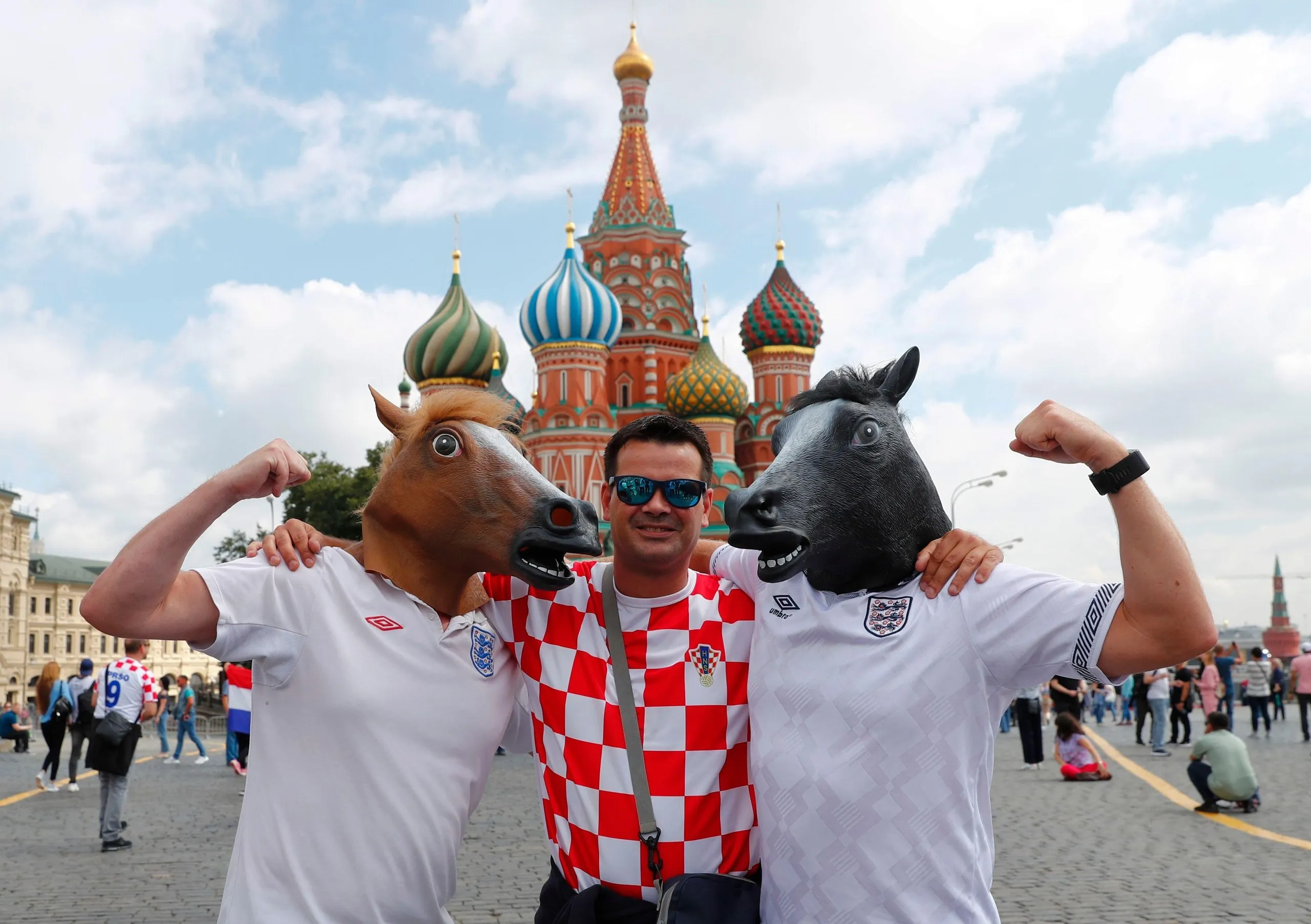
What about FIFA, the organization that accredited Artan for this tournament while proclaiming last summer that “football unites the world”? Historically, FIFA has demonstrated little hesitation in leveraging its influence over host nations. In 2014, it threatened to remove hosting rights from Brazil’s city of Curitiba due to construction delays. In 2018, it successfully persuaded Russia to ease strict immigration laws, allowing fans visa-free entry, and even intervened to lift a ban on journalist Hajo Seppelt, stating, “Freedom of the press is very important to FIFA,” a claim that has not aged well.
FIFA’s power stemmed from dealing with countries eager to showcase themselves, craving soft power, validation, and tourism revenue. Since 2010, every men’s World Cup host has required FIFA more than the other way around.
The United States may represent the first host nation where this dynamic has shifted. It doesn’t rely on the financial benefits of the tournament; in fact, projections indicate a negligible economic impact, with anticipated benefits amounting to less than 0.1% of GDP, described as “not a meaningful growth driver.”
Conversely, FIFA is in dire need of financial support. Tapping into the lucrative US sports market is Gianni Infantino’s best hope for maintaining the revenue growth that reinforces his influence. The 2030 World Cup, scheduled across Spain, Portugal, Morocco, Argentina, Uruguay, and Paraguay, is already expected to incur higher costs while yielding lower ticket revenue, with any shortfall covered by increased marketing and broadcasting income.
With the expansion to 48 teams, the pool of nations capable of hosting is dwindling. Essentially, FIFA currently requires the US far more than the US needs FIFA, directly impacting the indignities and challenges it is willing to accept. Will FIFA raise concerns over immigration raids occurring at stadiums? What if activists choose to protest near World Cup venues?
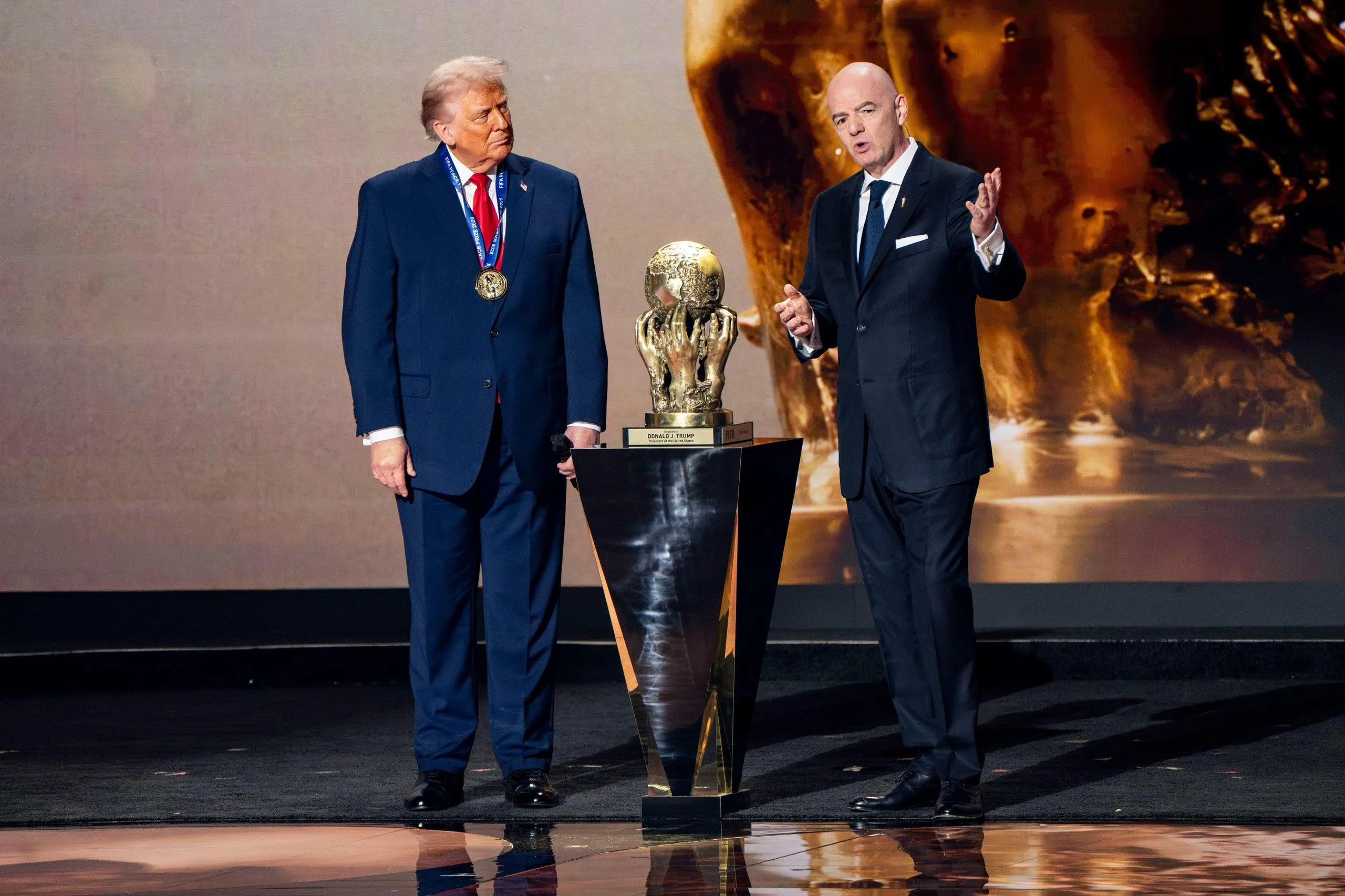
FIFA has already made its worldview evident. By repeatedly declaring, “football unites the world,” Infantino implicitly suggests that there are individuals he does not recognize as part of the global community, or perhaps even as human. Alongside the imprisoned dissidents of Russia and the nameless migrant workers in Qatar, we can now include the perceived adversaries of the Trump administration: whether they are Senegalese football fans, journalists posing difficult questions, or a Somali referee experiencing the pinnacle of his career.
The only viable solution—an ideally smaller World Cup, less dependent on autocratic powers and more accountable to the public—seems to be off the table. Instead, the power disparity evident in this World Cup may serve as a precedent for future sporting events. One can be certain that Saudi Arabia, hosting in 2034, has noted FIFA’s capitulation, showcasing its utter lack of courage when confronted with autocratic power and pressing commercial interests.
For decades, FIFA has actively participated in what Martin Müller termed “event seizure,” wherein major sporting events dominate their host cities and rewrite local regulations. Conversely, in this instance, the World Cup has not taken control of the US; rather, the US has commandeered the World Cup, transforming this cherished global event into a reflection of its own contentious political climate.
Perhaps none of this impacts you significantly. Maybe you still view sporting events as a cherished escape from the political realm. If so, enjoy your World Cup, now divided into quarters, suffering from heat and exhaustion, marred by an unjust qualification process. Relish the largely inconsequential group stages, the numerous empty seats, the armed police lurking at the edges of the frame, and the lingering shots of Infantino and JD Vance in the stands.
Infantino is merely a symptom of a greater issue. Yet, it is ironically poignant that this summer will solidify his legacy as one of the greatest cowards in sports: a small-minded individual who lost control of his own tournament, cowering in the presence of genuine conviction. He had the world’s most influential cultural force at his fingertips and ultimately relinquished it.