


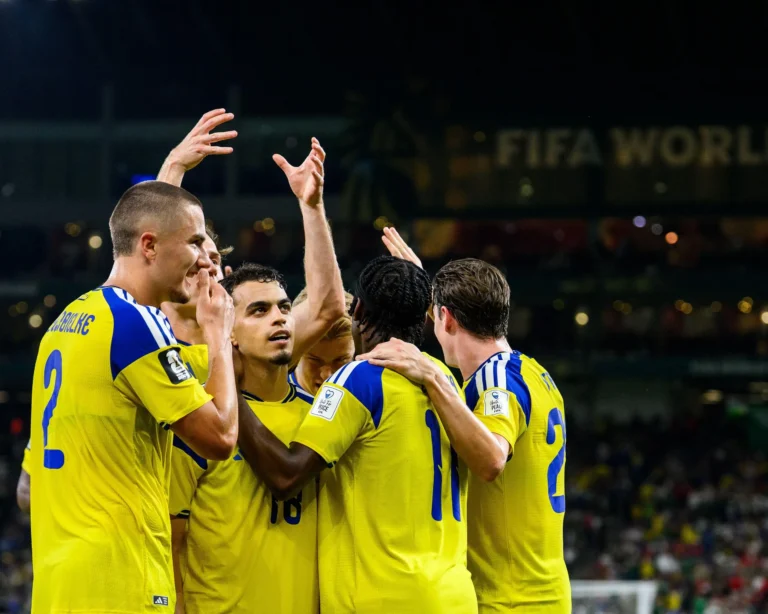
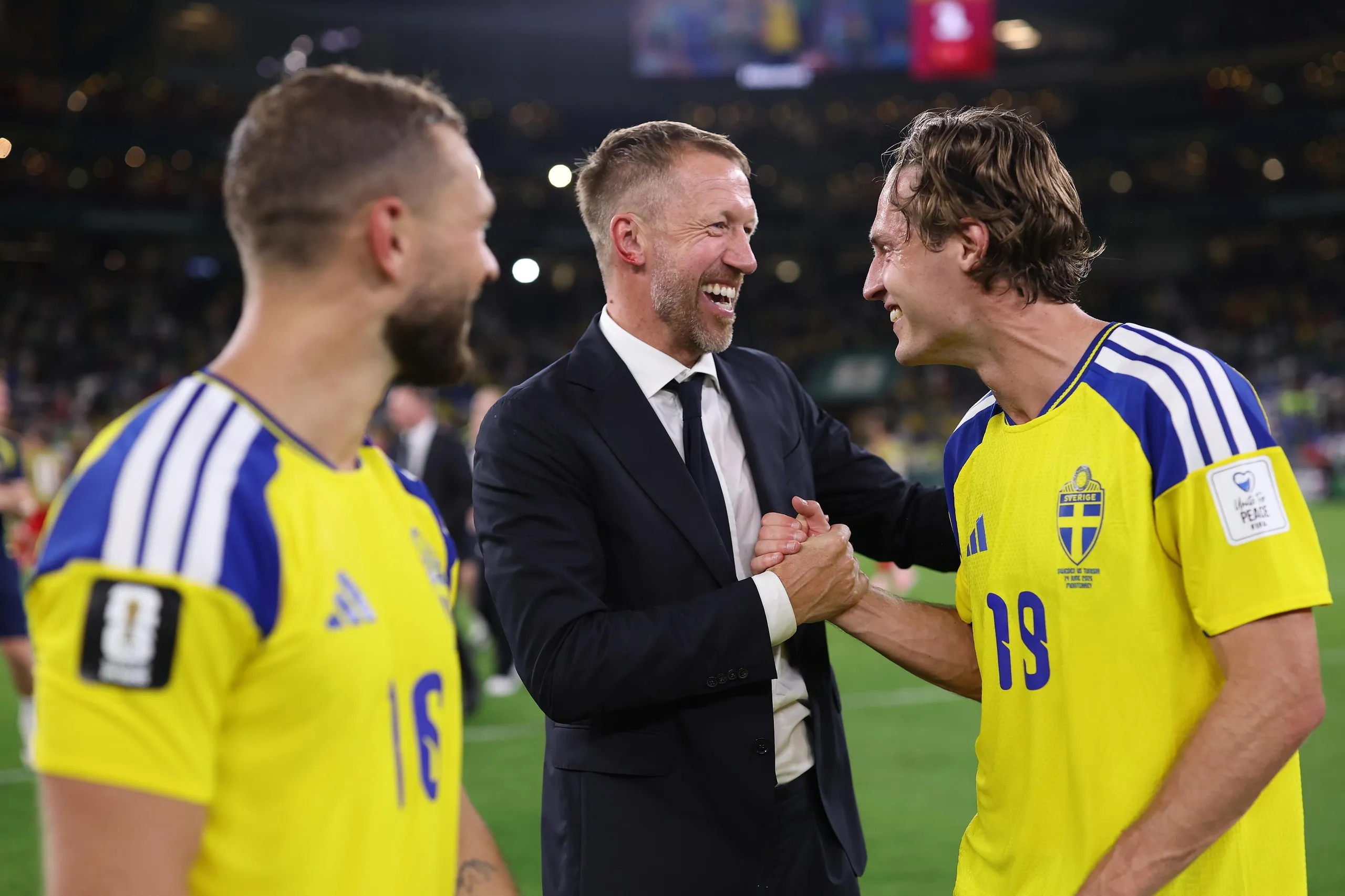
In a surprising turn of events, Graham Potter has become a beloved figure in Sweden, capturing the hearts of fans through his remarkable coaching journey. Previously a struggling manager, Potter’s arrival coincided with Sweden’s dismal performance in World Cup qualifying, where they failed to secure a single win. Yet, their partnership has blossomed into a successful collaboration, exemplified by Sweden’s recent comfortable victory over Tunisia.
Sweden’s qualifying campaign was marked by disappointment, suffering injuries and two defeats to Switzerland and Kosovo, along with two draws against Slovenia. This lackluster performance led to Jon Dahl Tomasson’s dismissal and Potter’s appointment. Under his leadership, Sweden rebounded, successfully navigating the Nations League play-offs by defeating Ukraine and Poland, culminating in what Potter described as his most memorable night in football.
The match against Tunisia took place under challenging conditions, with low-hanging clouds casting a damp atmosphere over the Sierra Madre. The temperature hovered around 27°C at kick-off, creating a sticky environment for the players. Despite the hydration breaks being warranted, many fans expressed their discontent, a reflection of the growing criticism surrounding FIFA’s practices. However, the crowd found entertainment in a lively accordion player sporting a Stetson, momentarily lifting the mood.
Meanwhile, Tunisia has undergone significant changes, parting ways with their previous coach and introducing Sabri Lamouchi as their new manager. Following disappointing outings in both the Arab Cup and Africa Cup of Nations, Lamouchi made drastic alterations, calling up eleven players who had not been part of the previous squad, five of whom started the match.
Tunisian goalkeeper Abdelmouhib Chamakh faced heavy scrutiny for his role in Sweden’s first two goals. Just six minutes into the match, he hesitated while attempting to clear a ball from Viktor Lindelöf, allowing Viktor Gyökeres to capitalize on the mistake. Following a blocked shot, the ball found its way to Yasin Ayari, who scored with a powerful strike. Ayari, born in Stockholm to a Tunisian father, had previously declined Tunisia’s call-up in 2021, opting to await a chance with Sweden.
Chamakh faltered again for Sweden’s second goal around the 30-minute mark. Gyökeres linked up well with Alexander Isak, who cut inside and took a low shot that slipped through Chamakh’s arms. Although he may have been partially obstructed, his reaction indicated awareness of the blunder on what should have been a straightforward save.
Lamouchi seems to have addressed the long-standing issue of fear that has plagued Tunisian football. Rather than resorting to time-wasting tactics from the outset, Tunisia demonstrated a willingness to engage in the game. However, this approach may have been ill-advised given the circumstances.
Just before halftime, Omar Rekik provided a glimmer of hope for Tunisia by converting a cross from Hannibal Mejbri. For a brief period at the start of the second half, it appeared that Tunisia might stage a comeback. However, the situation quickly deteriorated when Ellyes Skhiri made the puzzling decision to pass the ball to Isak, who intercepted it. Gyökeres, having a standout performance, finished the move emphatically. Shortly after, Mattias Svanberg, who had just entered the match, scored another goal following a clever touch from Isak that played him onside. Ayari then capped off his night with a second goal, bringing the final score to five.
While Sweden’s earlier victories in the playoffs against Poland had seemed somewhat fortuitous, their latest triumph was built on clear opportunities created by Tunisian errors. The team, which had appeared unlikely to qualify just six months ago, is now relishing the unexpected opportunity to compete in the World Cup. The Potter revival continues to unfold.