


Before Siphiwe Tshabalala unleashed a stunning shot with his left foot, before Peter Drury’s memorable commentary, and before the vibrant chorus of vuvuzelas filled the air, there was Philip.
On May 15, 2004, when Sepp Blatter revealed that South Africa would host the World Cup, skepticism abounded. Many doubted the nation’s ability to safely host such a prestigious tournament, raising concerns about inadequate public transport, potential power outages, and substandard stadiums. Could South Africa truly pull off this monumental challenge?
In response to these doubts, nearly every sector of South African society united in support. For six years, supermarkets displayed World Cup merchandise. Cars were decorated with South African flags, airports underwent renovations, roads were expanded, and stadiums were constructed from the ground up. This widespread enthusiasm was encapsulated in a slogan crafted by the national broadcaster that encouraged all citizens: “Goal Bafana Bafana! Goal for South Africa! Goal for all Africa!”
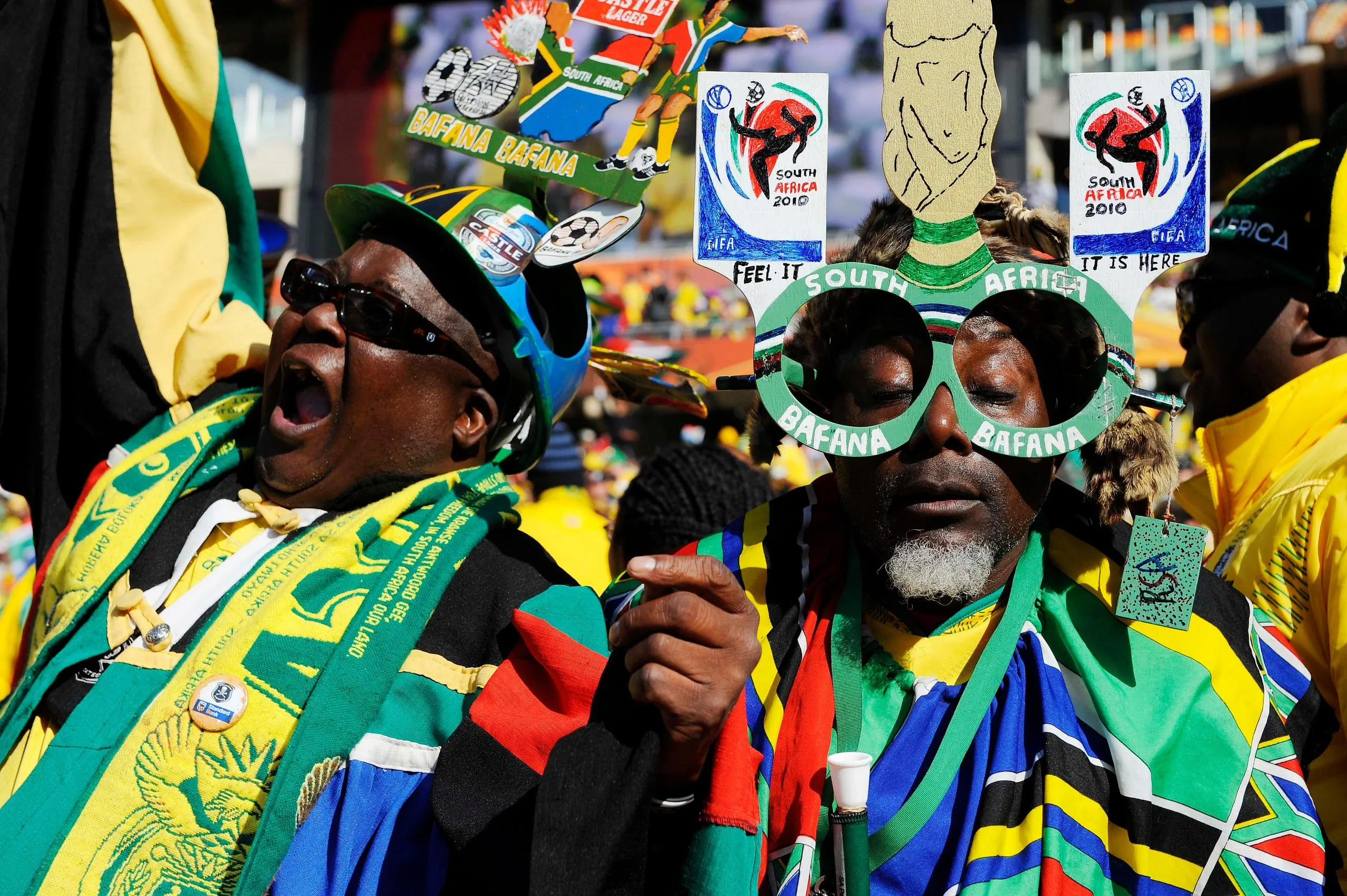
And feel it we did. On Fridays, we donned golden Bafana Bafana jerseys to work, and sports enthusiasts who had previously only followed rugby or cricket suddenly found themselves invested in the local Premier Soccer League. This rallying cry fostered a collective spirit that became personified in the figure of Philip, who seemed to embody this extraordinary experience. Philip was ubiquitous.
While Philip may have appeared absurd, he served a purpose. He gave expression to an ineffable sentiment. South Africa in 2010 was rife with contradictions: a populace wary of itself, its leaders, and their unfulfilled promises. We had learned not to trust too easily, having faced disappointment too many times. Yet, in the lead-up to the tournament, something shifted. People who typically navigated public spaces adhering to rigid racial and class divisions began to move in unison.
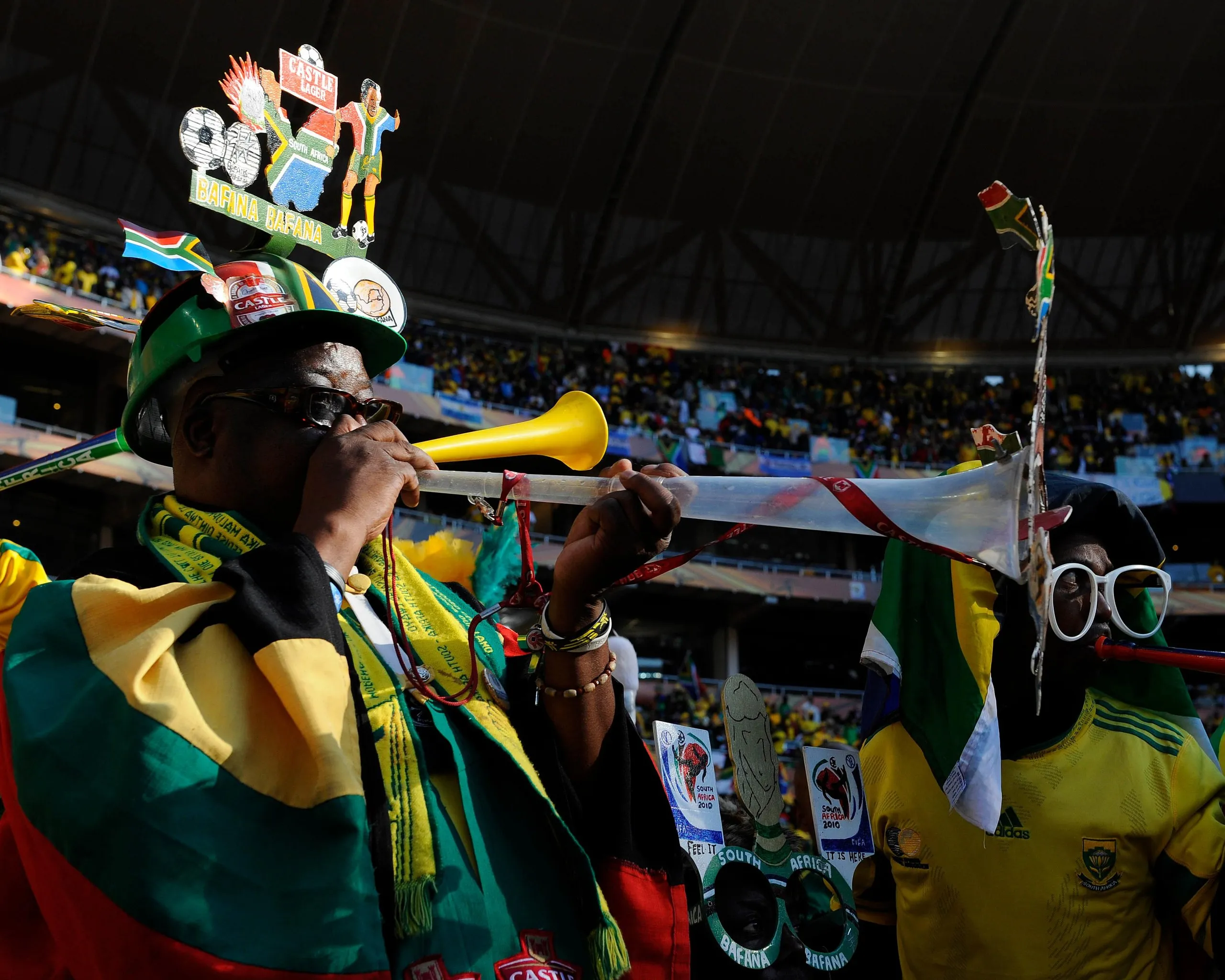
I watched the opening match at a fan park on the beach in Durban alongside my family and close friends. The air was warm and infused with salt. Color surrounded us, but it was the sound that truly defined the experience. The vuvuzela, while often criticized on television, created a nearly spiritual ambiance when heard live. Those plastic horns buzzed like a swarm of bees, transforming the atmosphere as though Philip himself had taken a breath.
The match commenced as most opening games do—tense and hesitant. It quickly became apparent that Mexico was the superior team, with only the exceptional goalkeeping of Itumeleng Khune and a disallowed goal keeping them at bay. South Africa was fortunate to go into halftime on even terms.
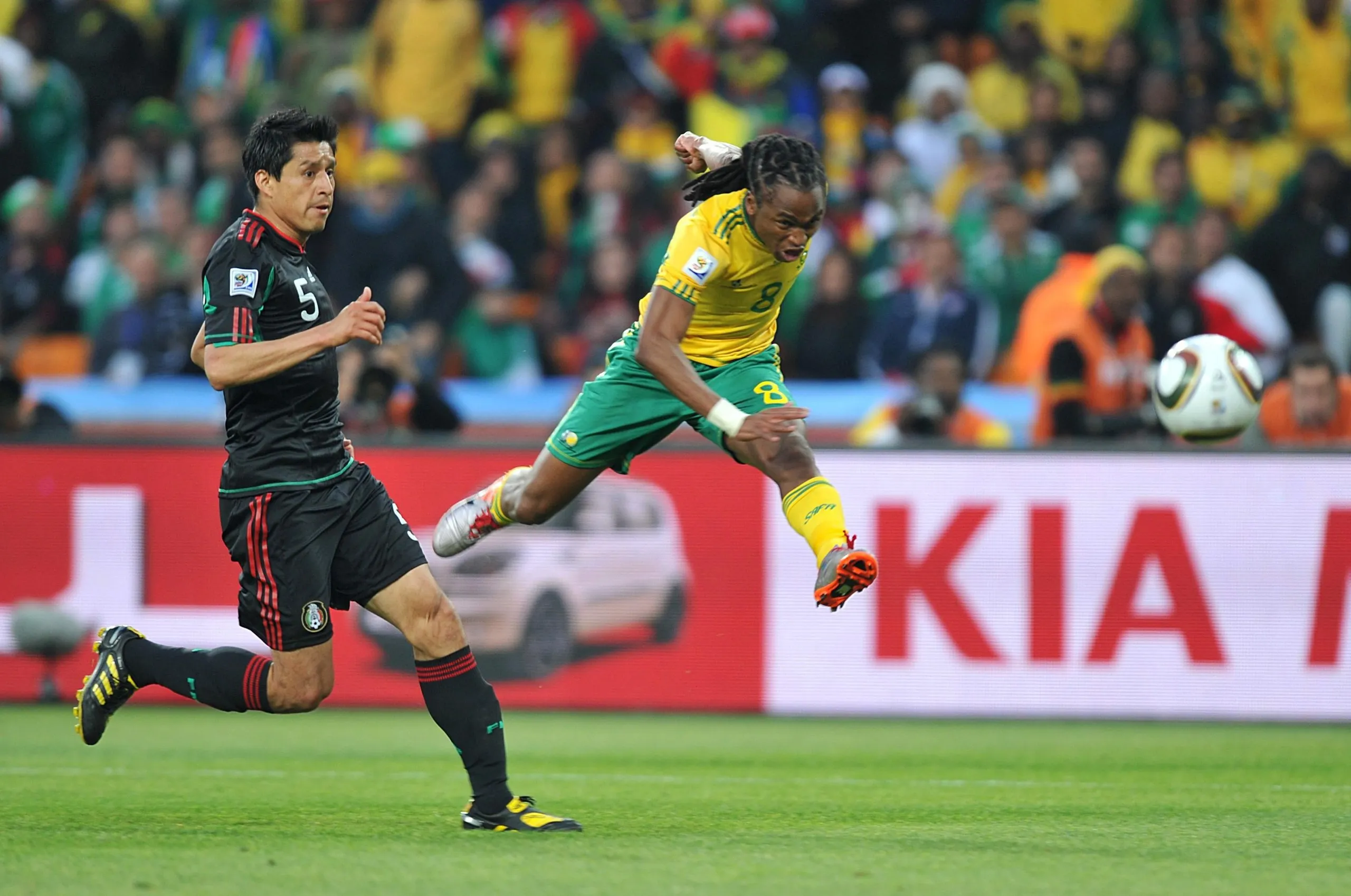
Just nine minutes into the second half, Mexico lost possession in midfield. Following three slick passes from South Africa, Kagisho Dikgacoi surged forward, delivering a beautiful, defense-splitting pass to the sprinting Tshabalala on the left. His first touch adjusted the angle within the box, and his second sent the ball rocketing past Óscar Pérez into the far top corner. For a fleeting moment, disbelief reigned. Then, South Africa erupted in jubilation. From Soccer City to the Durban beach, in townships, suburbs, shebeens, and living rooms, the nation lost its composure. I vividly remember jumping into the arms of strangers, seeking confirmation that this was indeed reality.
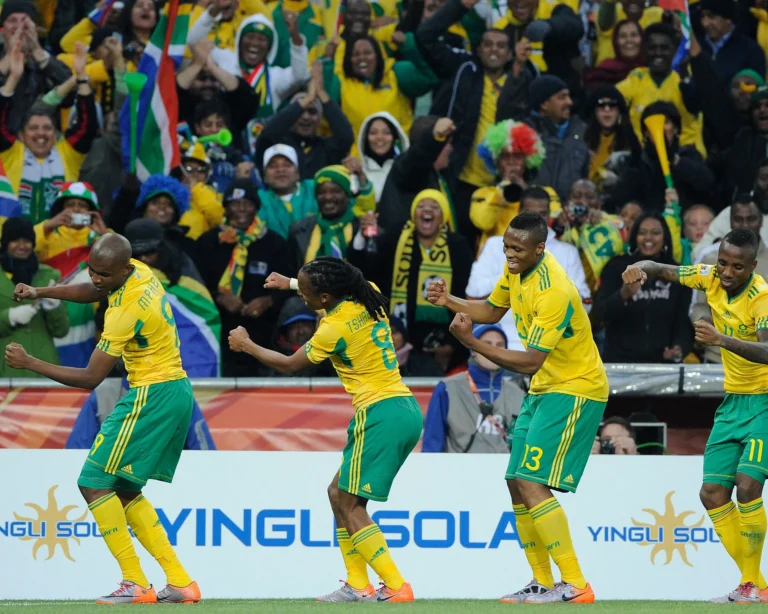
“Goal Bafana Bafana! Goal for South Africa! Goal for all Africa!” Drury exclaimed, articulating the emotions that enveloped us all. “Jabulile! Rejoice!” Tshabalala and his teammates launched into a choreographed celebration, brimming with rhythm and joy, uniting the country for a brief moment.
However, football rarely permits a fairytale to remain unblemished. With just 11 minutes remaining, Rafael Márquez equalized, finding space at the back post. Katlego Mphela then hit the crossbar, leaving Durban fan park spectators wishing for a different outcome. The match concluded with a score of South Africa 1, Mexico 1—neither a victory nor a defeat.
The remainder of the tournament seemed to pass swiftly. South Africa faltered against Uruguay, suffering a 3-0 defeat, but managed a 2-1 victory over a tumultuous French squad, ultimately becoming the first host nation to fail to progress to the knockout stages. While the festivities continued, our role shifted; we transformed from protagonists to hosts, welcoming everyone else’s narratives.
As the African teams competed, we rallied behind them. When Ghana emerged as the continent’s last beacon of hope, Bafana Bafana faded into BaGhana BaGhana. The heartache was palpable when Luis Suárez handled the ball on the line, and Asamoah Gyan’s penalty hit the crossbar. And then it was over.
In the days following Andrés Iniesta’s decisive goal in the final, a sense of numbness prevailed. The vuvuzelas fell silent, flags began to fray on car mirrors, and the decorations that adorned the country slowly deteriorated. The stadiums, magnificent yet costly, started to transform into underutilized facilities. Old questions resurfaced: What was the true cost? Who reaped the benefits? What had been concealed beneath the spectacle?
As time passed, allegations of corruption surrounding the bid emerged. Reports of purported bribes and compromised officials surfaced, linking criminal elements to construction projects. Familiar self-doubt returned, a realization that even our finest moments had been commodified, brokered, and exploited from within.
Now, with the nation scarred by xenophobic violence, grappling with an economy still reeling from years of mismanagement under Jacob Zuma, and facing enduring inequality, it is pertinent to question what any of this truly signified. What did that month actually change? Did it nourish us? Did it heal the nation? Or did it merely mask our wounds with flags while selling the imagery to the world?
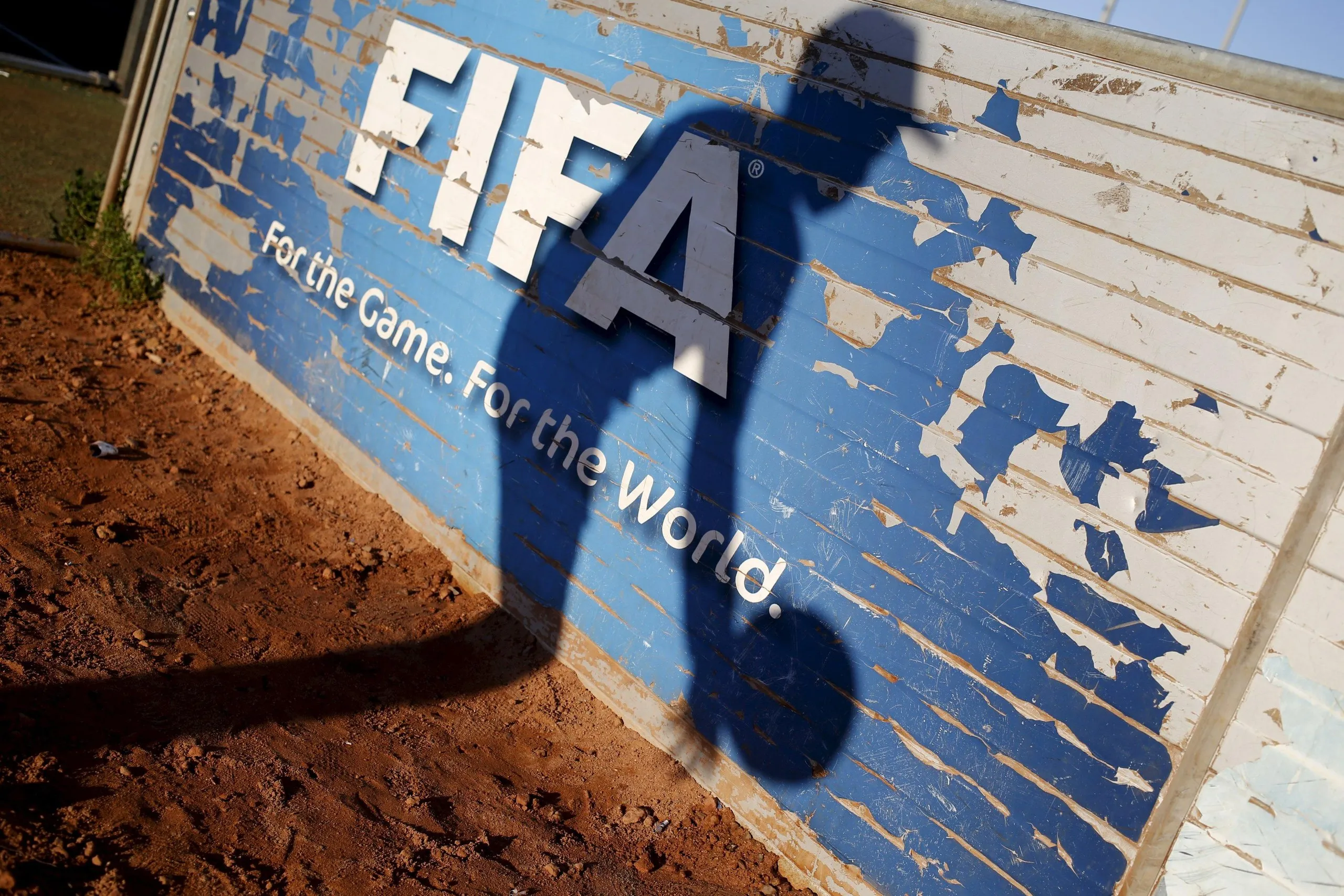
The stark truth is that it resolved nothing. No single goal could. South Africa’s issues run too deep, are too ancient, and too structural to be addressed by a football match, no matter how globally viewed. The idea of a rainbow nation was always more of an aspiration than a reality. In 2010, we did not transform into a different country; we became, if only briefly, the most ideal version of the nation we wished to be.
Yet, that is not insignificant. Nations require evidence of their potential, and their citizens crave moments to which they can point and say, “we were there” and “that was us.” Not the corruption, not the violence, nor the queues outside labor offices, but rather moments of unity, vibrancy, and life.
As South Africa prepares to face Mexico once more in another World Cup opener, this time in Mexico City, the symmetry is striking. Sixteen years later, Bafana Bafana will step into the arena of another attempt to infuse a tournament with meaning beyond football. Inevitably, for South Africans of a certain generation, this matchup will evoke memories of that winter day in 2010. It will transport us back to the sandy beach in Durban, with flags painted on our faces.
It brings us back to Philip and what he represented for us. Back to that left foot striking the ball, and a nation rising alongside it. The World Cup did not save South Africa, but for one fleeting moment, as that ball soared into the top corner, it revealed the country we aspired to be. Despite all that followed, we will always cherish that moment of glory.