


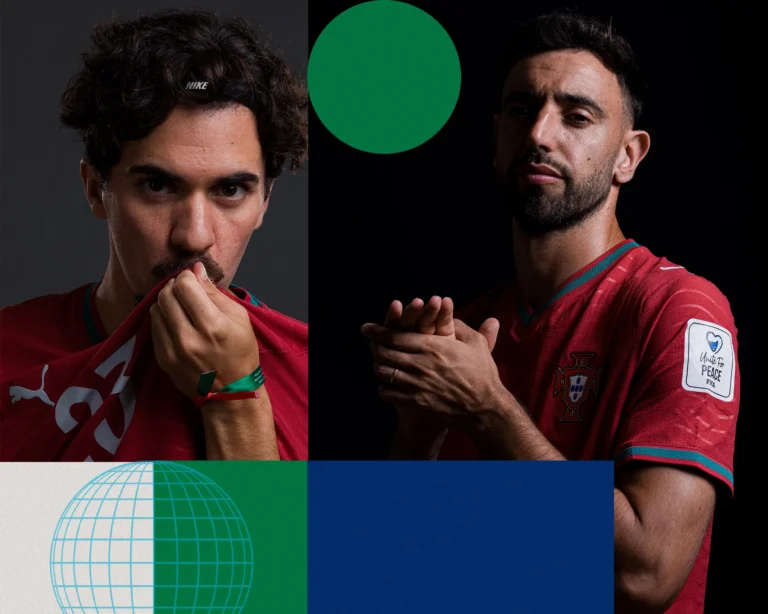
When discussing Portugal in the context of the World Cup, it’s easy to focus solely on Cristiano Ronaldo. The 41-year-old superstar, making his sixth World Cup appearance, often overshadows the remarkable talents of his teammates. Yet, Portugal stands as a formidable contender for their first World Cup title. The Opta supercomputer gives Portugal a 7.1% chance of winning, trailing only behind Spain (16.0%), France (12.9%), England (10.8%), and Argentina (10.0%).
This tournament marks Portugal’s ninth participation and seventh consecutive World Cup since their debut in 2002, following a long absence since 1986. Their best finish came in 1966 when they reached the semi-finals, led by the legendary Eusébio, before securing third place by defeating the Soviet Union.
Recent tournaments have not been kind to Portugal. Their Euro 2016 victory was preceded by a disappointing group stage exit in the 2014 World Cup and a last-16 elimination in 2018. The pressing question is whether this squad can improve upon those past performances.
Midfield Strengths
With talents like Bruno Fernandes, Vitinha, João Neves, Bernardo Silva, Rúben Neves, and Samú Costa, Portugal boasts one of the strongest midfield lineups in the tournament. Fernandes recently concluded his most successful Premier League season yet with Manchester United, scoring nine goals and providing 21 assists. He not only led the league in chances created with 136 but also broke the record for the most assists in a single Premier League campaign.
While Fernandes has occasionally struggled to replicate this form internationally, he has made significant strides for Portugal in recent years. In the final World Cup qualifying match, a dominating 9-1 win against Armenia, he showcased his abilities by scoring a hat-trick and creating eight chances. In recent friendlies, he contributed significantly, assisting two goals in a 2-0 victory over the US and netting the winner in a 2-1 win against Chile. His 21 chances created during qualifying led the team, surpassing all other players.
Key Players and Tactical Shift
Supporting Fernandes in midfield is Vitinha, a standout performer for Paris Saint-Germain. The 26-year-old was ranked third in the latest Ballon d’Or standings and plays a crucial role in controlling the pace of the game. His ability to adapt the tempo will be vital, particularly given the challenging conditions expected at the tournament.
This season, Vitinha provided 11 assists across all competitions, ranking just behind Khvicha Kvaratskhelia and Ousmane Dembélé at PSG. His performance in the Champions League final was exceptional, where he completed 141 passes and made a significant impact against Arsenal. Throughout the season, he led Europe’s top leagues in total passes and passes in the opposition half.
Roberto Martínez’s appointment as head coach in 2023 was met with skepticism due to his mixed record with Belgium. However, Portugal aimed to shift away from the more predictable style of former coach Fernando Santos, who guided them to the Euro 2016 title. Under Martínez, the team has sought to become more dynamic and better utilize their attacking prowess.
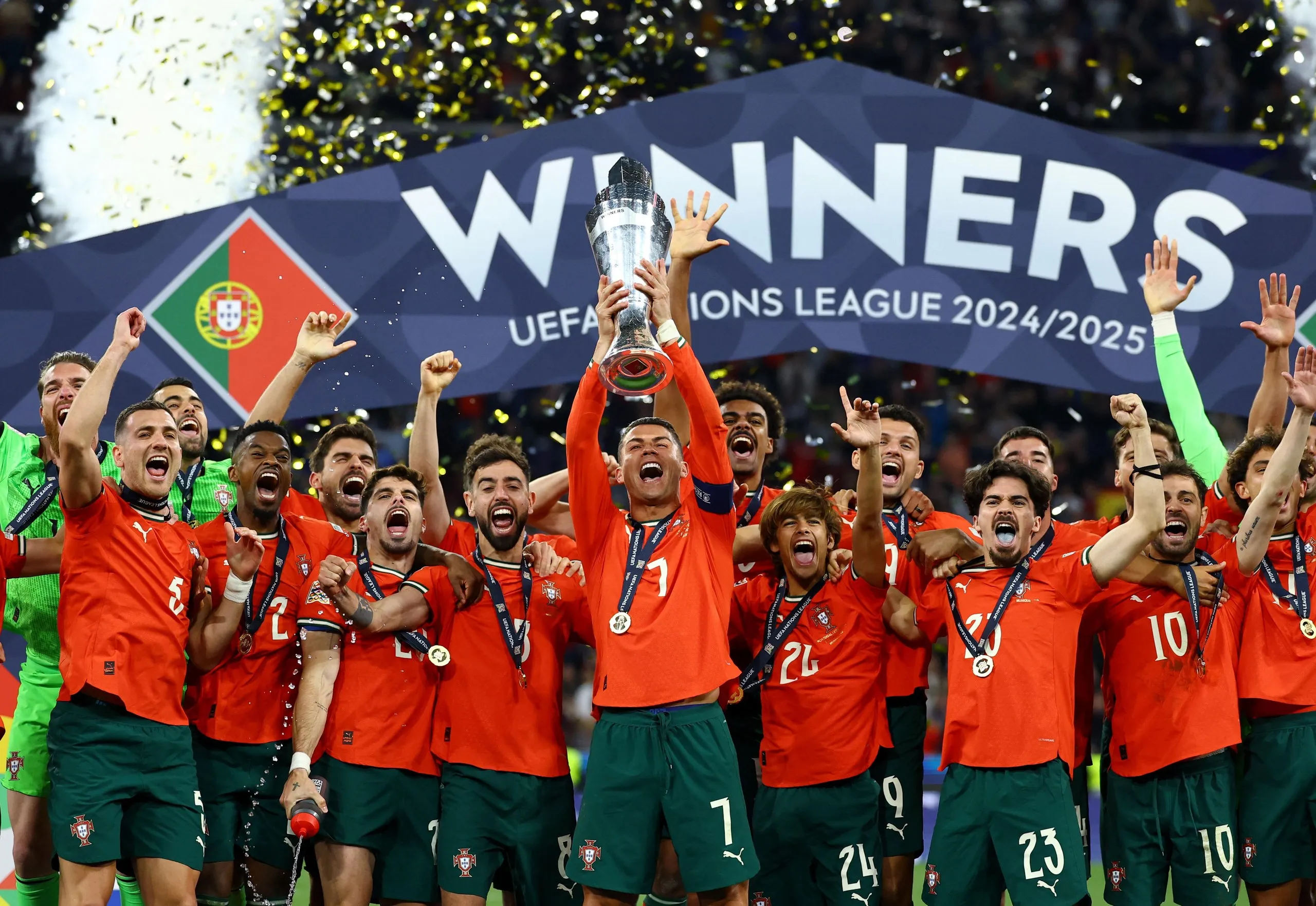
Currently, under Martínez, Portugal has scored 100 goals in 39 matches, averaging 2.6 goals per game. Their journey in Euro 2024 ended with a quarter-final exit against France, decided by penalties, but they rebounded by winning the Nations League for the second time. This included a semi-final victory over Germany and a penalty shootout win against Spain in the final after a 2-2 draw.
Offensive Contributions
During World Cup qualifying, Portugal led all European nations with an average of 25 shots per match. They also registered 8.3 shots on target per game, surpassed only by Spain and Croatia. Furthermore, Portugal was the top scorer from high turnovers during qualifying, averaging 0.5 goals per match from such situations.
Ronaldo was the standout scorer for Portugal in qualifying, netting five goals, more than any teammate, and leading the squad in shots, shots on target, and expected goals (xG). However, for Portugal to excel at the World Cup, other attacking players must also step up. Martínez has included João Félix, Trincão, Francisco Conceição, Pedro Neto, Rafael Leão, Gonçalo Guedes, and Gonçalo Ramos to bolster the attack.
Félix, in particular, is a wildcard who could prove decisive in crucial moments. After a challenging few years that included stints at Chelsea, Barcelona, and Milan, he has regained his confidence following his transfer to Al Nassr in the Saudi Pro League.
The 26-year-old was recently named player of the season, edging out Ronaldo with 20 goals and 13 assists in 33 league appearances. If he maintains this form, he could significantly influence Portugal’s success. With such talent at their disposal, Portugal has the potential to make a deep run in the tournament. The question remains whether Martínez can effectively harness this talent.
This is an article by Opta Analyst